
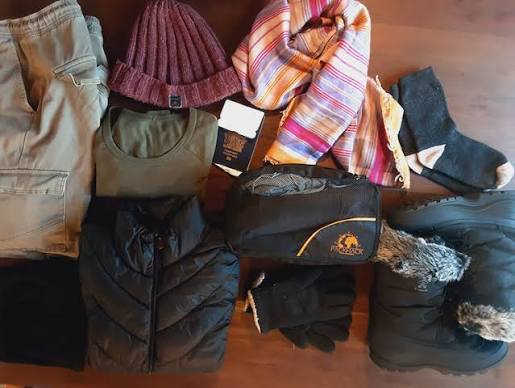
Essential packing tips to help first-time international students stay warm and prepared for Canadian winters.
Moving to Canada for your studies is an exciting milestone, but if you're coming from a country with a warmer climate, your first Canadian winter can be a completely new experience. Temperatures in many parts of Canada regularly fall below freezing, with heavy snowfall and icy conditions lasting several months. Being well-prepared with the right clothing and essentials will help you stay warm, comfortable, and safe throughout the season.
Packing wisely doesn't mean filling your suitcase with bulky winter gear. Instead, focus on versatile clothing, important documents, and everyday essentials that will make your transition to Canadian life much easier. This guide provides practical packing tips to help first-time international students prepare for their first winter in Canada.
Understand Canada's Winter Climate
Canada's weather varies by province and city, but winters are generally cold and snowy.
Typical winter conditions include:
- Temperatures ranging from 0°C to below -30°C in some regions.
- Frequent snowfall and icy sidewalks.
- Strong winds that make temperatures feel even colder.
- Shorter daylight hours during winter months.
Research the climate of your destination city before packing, as winter conditions in Vancouver differ significantly from those in Toronto, Ottawa, Winnipeg, or Edmonton.
Prioritise Layering Instead of Heavy Clothing
One of the best ways to stay warm is by dressing in layers rather than wearing a single thick jacket.
A simple layering system includes:
Base Layer
Wear moisture-wicking thermal tops and leggings that keep your body dry and warm.
Middle Layer
Choose fleece jackets, wool sweaters, or insulated hoodies that trap body heat.
Outer Layer
A waterproof and windproof winter coat protects you from snow, rain, and freezing winds.
Layering allows you to adjust your clothing easily when moving between heated indoor spaces and the cold outdoors.
Invest in a Quality Winter Jacket
Your winter coat is one of the most important purchases you'll make.
Look for features such as:
- Thick insulation
- Waterproof or water-resistant material
- Windproof design
- Hood with adjustable drawstrings
- Longer length for additional warmth
- Comfortable fit for layering underneath
Although quality winter jackets can be expensive, they are a worthwhile investment that can last for many years.
Pack Warm Footwear
Regular sneakers are not suitable for walking through snow and ice.
Choose winter boots that offer:
- Waterproof protection
- Insulated lining
- Good ankle support
- Slip-resistant soles
- Comfortable fit with thick socks
Proper footwear helps prevent cold feet and reduces the risk of slipping on icy surfaces.
Don't Forget Winter Accessories
Small accessories play a big role in protecting your body from extreme cold.
Pack:
- Warm wool or thermal gloves
- Thick winter socks
- Beanies or wool hats
- Scarves or neck warmers
- Ear warmers
- Thermal leggings or tights
Covering your head, hands, and neck helps retain body heat and keeps you comfortable outdoors.
Bring Thermal Clothing
Thermal clothing is lightweight, easy to pack, and highly effective during winter.
Essential thermal items include:
- Thermal tops
- Thermal leggings
- Thermal undershirts
- Thermal socks
These garments provide an extra layer of insulation without adding unnecessary bulk.
Pack Everyday Essentials
Besides winter clothing, don't overlook daily necessities.
Consider bringing:
- Prescription medications
- Basic first-aid supplies
- Eyeglasses or contact lenses
- Chargers and adapters
- Power bank
- Reusable water bottle
- Backpack suitable for snowy weather
Keeping these essentials organised will make settling into your new environment much easier.
Carry Important Documents
Always keep important documents in your carry-on luggage rather than checked baggage.
Documents should include:
- Passport
- Student visa or study permit approval
- Letter of Acceptance
- Flight tickets
- Accommodation details
- Travel insurance documents
- Academic transcripts and certificates
- Emergency contact information
- Copies of important documents (both printed and digital)
Using a waterproof document folder helps protect paperwork from snow and moisture.
Pack Appropriate Indoor Clothing
Canadian buildings are generally well-heated, even during the coldest months.
Bring comfortable indoor clothing such as:
- T-shirts
- Sweatshirts
- Jeans
- Casual trousers
- Comfortable shoes or slippers
- Sleepwear
You'll spend much of your time indoors at university, home, or public places where heavy winter clothing isn't needed.
Bring Universal Electronics
Electrical outlets in Canada use Type A and Type B plugs with a standard voltage of 120V.
Pack:
- Universal travel adapter
- Laptop
- Mobile phone
- Laptop charger
- USB charging cables
- Headphones
- Portable hard drive or USB flash drive
Check that your electronic devices are compatible with Canadian voltage standards.
Personal Care Items
While most toiletries are available in Canada, carrying enough for your first few weeks can be helpful.
Consider packing:
- Toothbrush and toothpaste
- Skincare products
- Lip balm
- Moisturiser
- Shampoo and conditioner
- Deodorant
- Hairbrush
- Personal hygiene products
Cold winter air can dry your skin, making moisturiser and lip balm especially useful.
Don't Overpack Winter Clothing
Many first-time students make the mistake of bringing too many heavy winter clothes from home.
Instead:
- Pack a few essential warm items.
- Purchase specialised winter gear after arriving in Canada.
- Take advantage of seasonal sales and student discounts.
- Buy clothing suited to your destination city's climate.
This approach saves luggage space and ensures you buy clothing designed for Canadian winters.
Prepare for Snowy Conditions
Winter weather requires a few additional precautions.
Pack items such as:
- Compact umbrella
- Waterproof backpack cover
- Reusable shopping bags
- Hand warmers (optional)
- Sunglasses to reduce snow glare
Being prepared for changing weather conditions can make daily travel more comfortable.
Money and Banking Essentials
Carry enough funds to cover your initial expenses after arrival.
Useful financial preparations include:
- International debit or credit card
- Some Canadian dollars for immediate expenses
- Bank account information
- Tuition payment receipts
- Emergency funds
Avoid carrying large amounts of cash and use secure banking options whenever possible.
Final Packing Checklist
Before leaving for Canada, make sure you have packed:
- Passport and visa documents
- University admission letter
- Winter jacket
- Thermal clothing
- Waterproof winter boots
- Gloves, hat, and scarf
- Warm socks
- Everyday clothing
- Prescription medications
- Electronic devices and chargers
- Travel adapter
- Important financial documents
- Personal care items
- Emergency contact information